The Science of Accuracy
Contract Laboratory Services
Contact usOur laboratory services support the development and validation of PSD (Particle Size Distribution) methods under cGMP standards. We offer advanced particle analysis using Malvern Mastersizer systems, air jet sieving with Hosokawa Alpine equipment, and microscopic evaluation of particle shape and structure.
Our lab performs method validation, HPLC analysis, and microbial testing to ensure product quality, consistency.


We offer analytical method development, validation, and transfer services before the start of manufacturing procedures. Our goal is to ensure that each analytical method is regulatory and scientifically aligned with your product and process requirements.
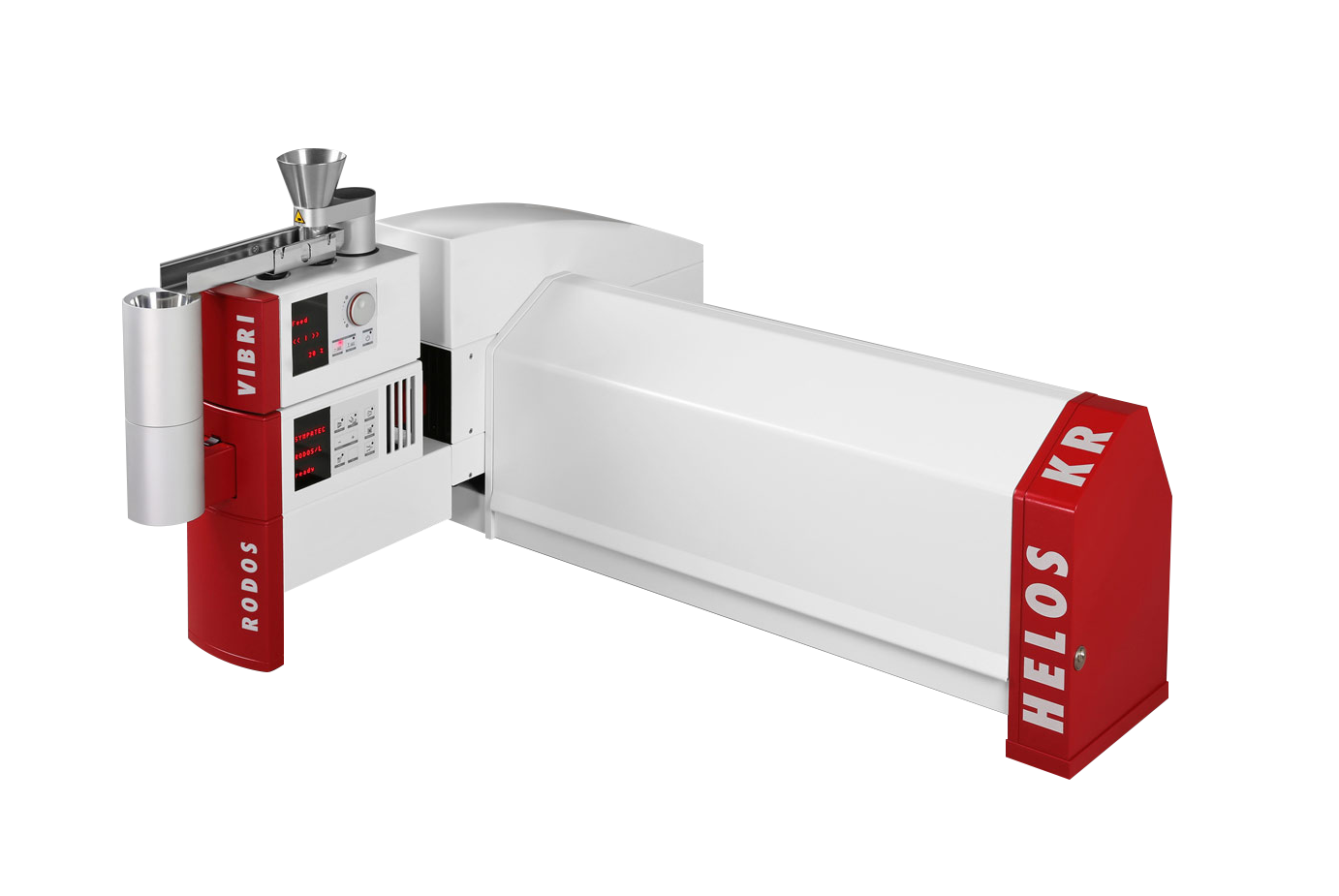
Using the modern Sympatec HELOS laser light diffraction system, we can conduct PSD analysis in both the wet and dry dispersion mode. The Sympatec HELOS system is equipped with the OASIS system, which allows for a fast change-over between wet and dry dispersion mode. The PSD range for the Sympatec HELOS system is 0.01-3000um.
Although the Sympatec HELOS and the Malvern Mastersizer systems both measure the particle size by means of laser light diffraction, the two systems do not produce identical PSD values for a given sample. Having both systems available in the laboratory, we can optimally serve our customers who have one of the two systems in house.
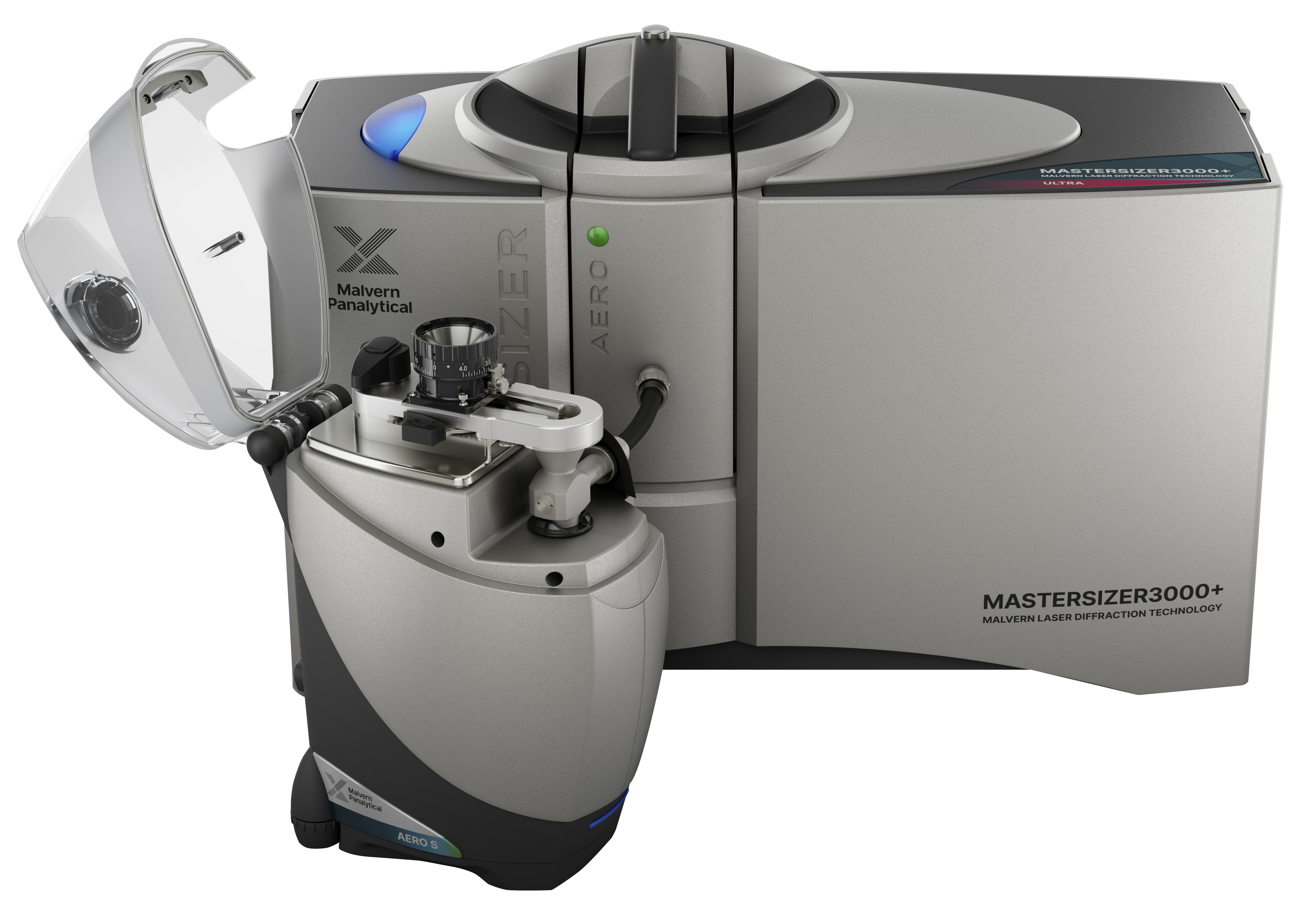
The Malvern Mastersizer 3000 is the successor of the successful MS-2000. We have multiple MS-3000 systems in the lab, it is the work horse for PSD measurements at GfM.
As is the case with Sympatec HELOS, we can conduct PSD analysis in both the wet and dry dispersion mode. The PSD range for the Malvern Mastersizer 3000 system is 0.01-3500um.
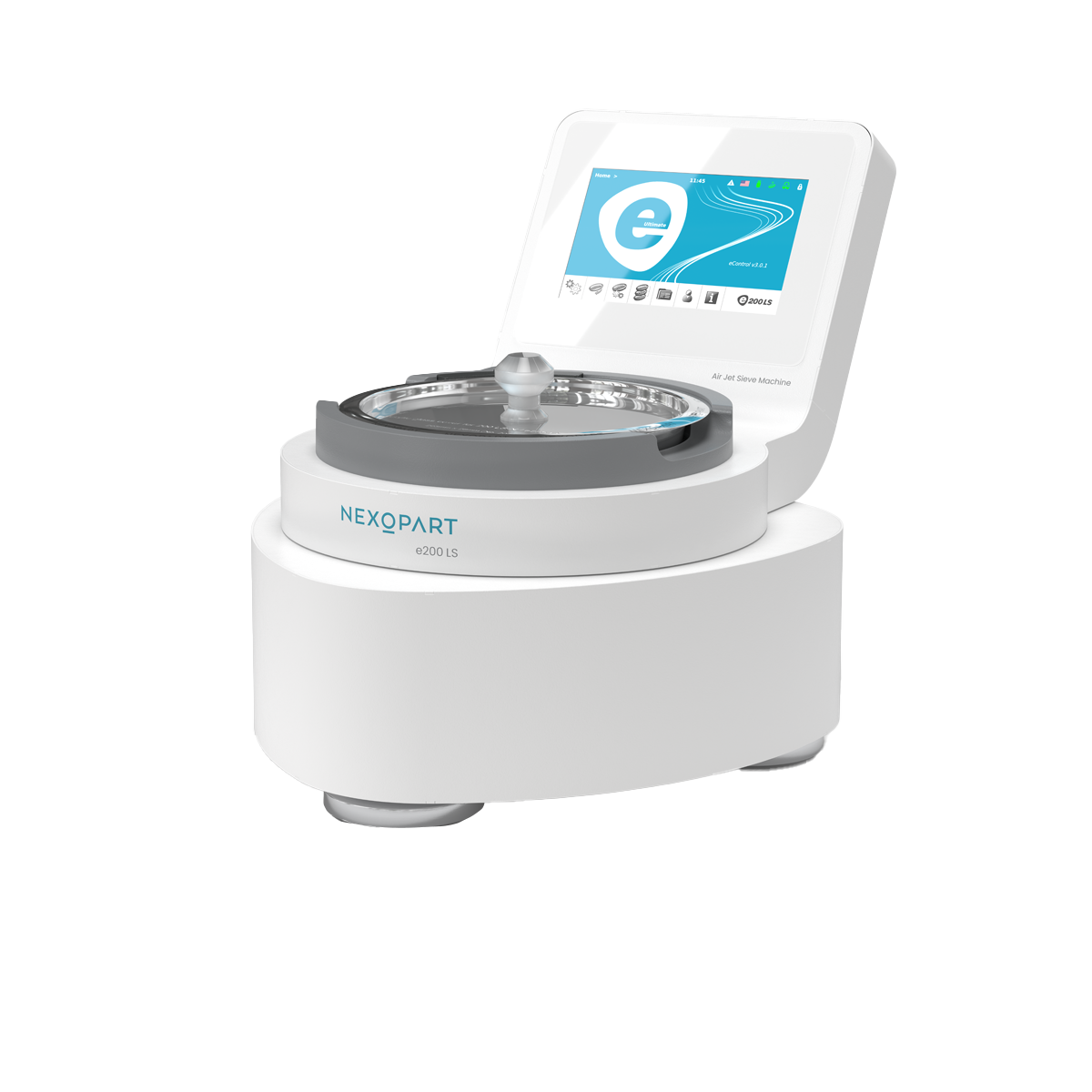
The Alpine e200 LS air jet sieving system is ideally suited for the separation and particle size determination of powders that tend to agglomerate or are sensitive.
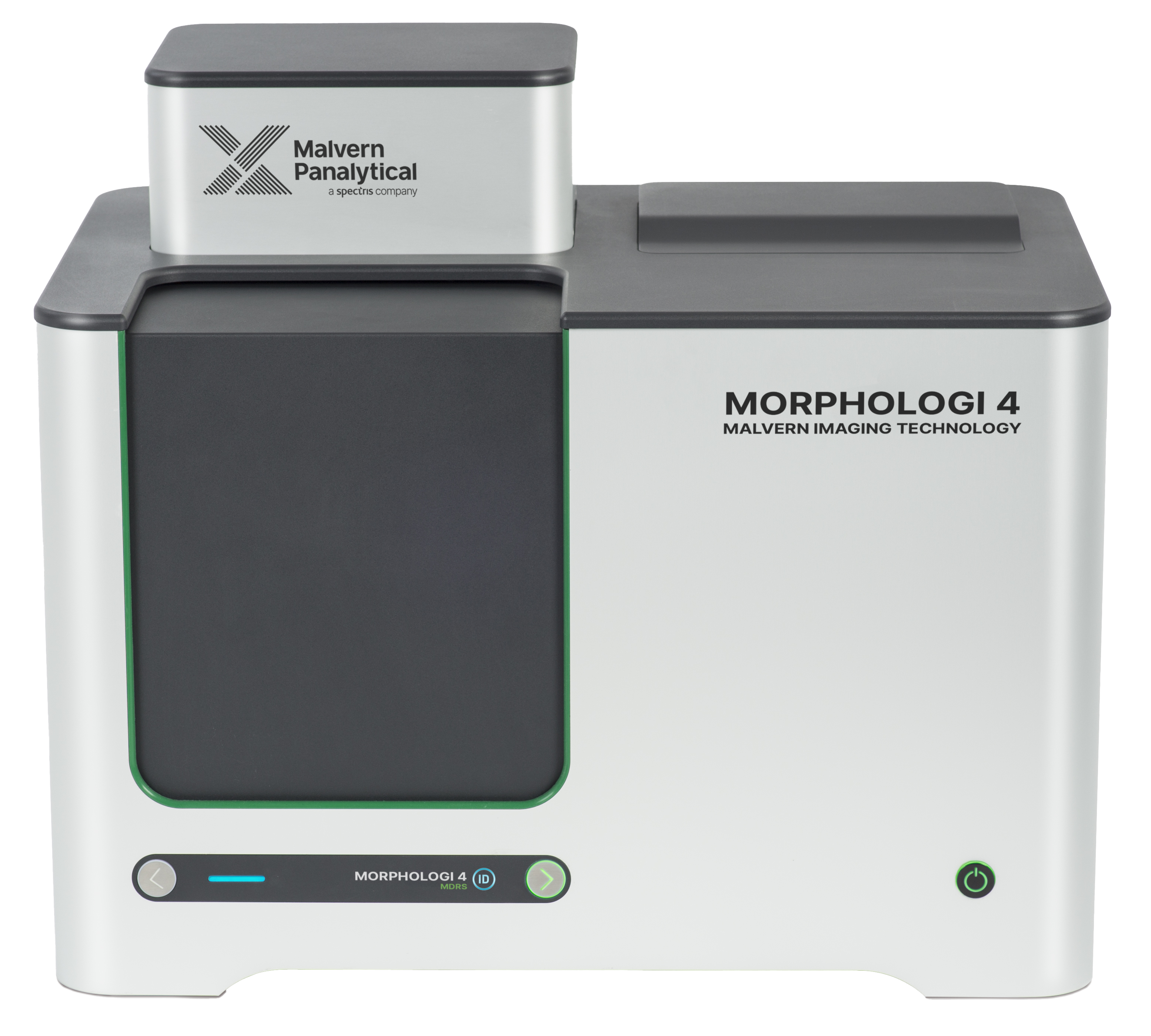
GfM serves detailed microscopic and morphological analysis using the Malvern Morphologi 4 system. We can gain insight into particle shape, size distribution, and overall morphological characteristics. The instrument combines automated optical microscopy with powerful image analysis.
The Malvern Morphology 4 is also very useful for getting a first insight into the possible origin of unknown particles.
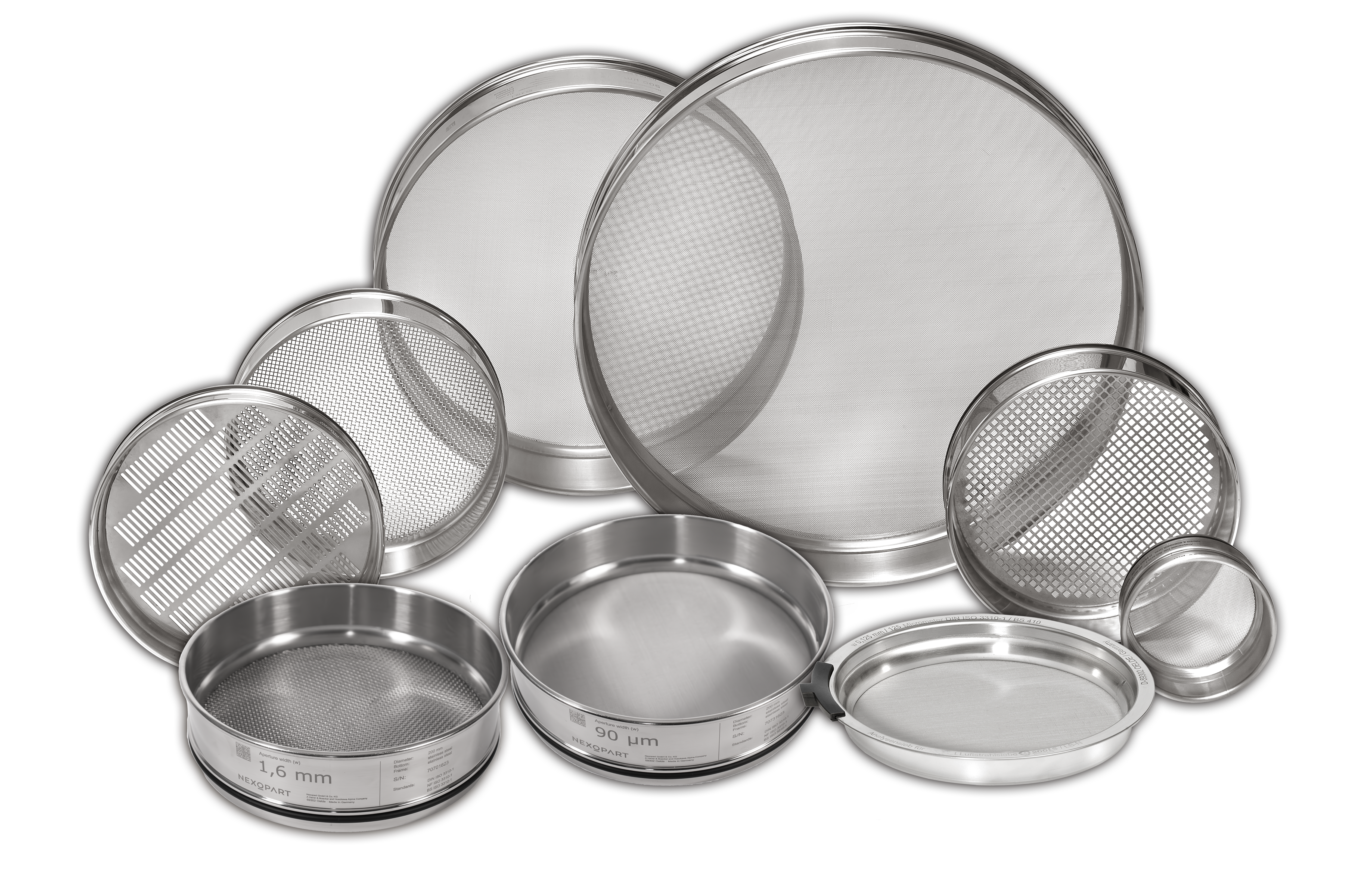
The classical sieve analysis using multiple stacked sieves is also available at the GfM laboratory. The samples are separated in the different fractions depending on the sieves, and the relative amount of each fraction is determined.

We develop customized analytical methods for both raw materials and finished products. Whether adapting existing measurement methods or creating new ones from scratch, team makes sure that every method is reliable, selective, and fit for your purpose. Our solution is adaptable to specific matrices and product characteristics under cGMP guidelines and suitable for release testing, stability studies, and in-process control.


Whether your measurement methods are developed by GfM or an external lab, we can validate each method under real-world conditions to confirm its reliability and reproducibility utilizing our state-of-the-art lab equipment. Validation follows cGMP guidelines, with full documentation provided for regulatory submission and audit readiness.

GfM also supports the transfer of analytical methods between contract partners, manufacturers, and quality control laboratories. Our lab solutions provide comparative testings, method bridgings, transfer protocols and acceptance criteria. We coordinate and execute, fully documented method transfers, whether inbound or outbound.
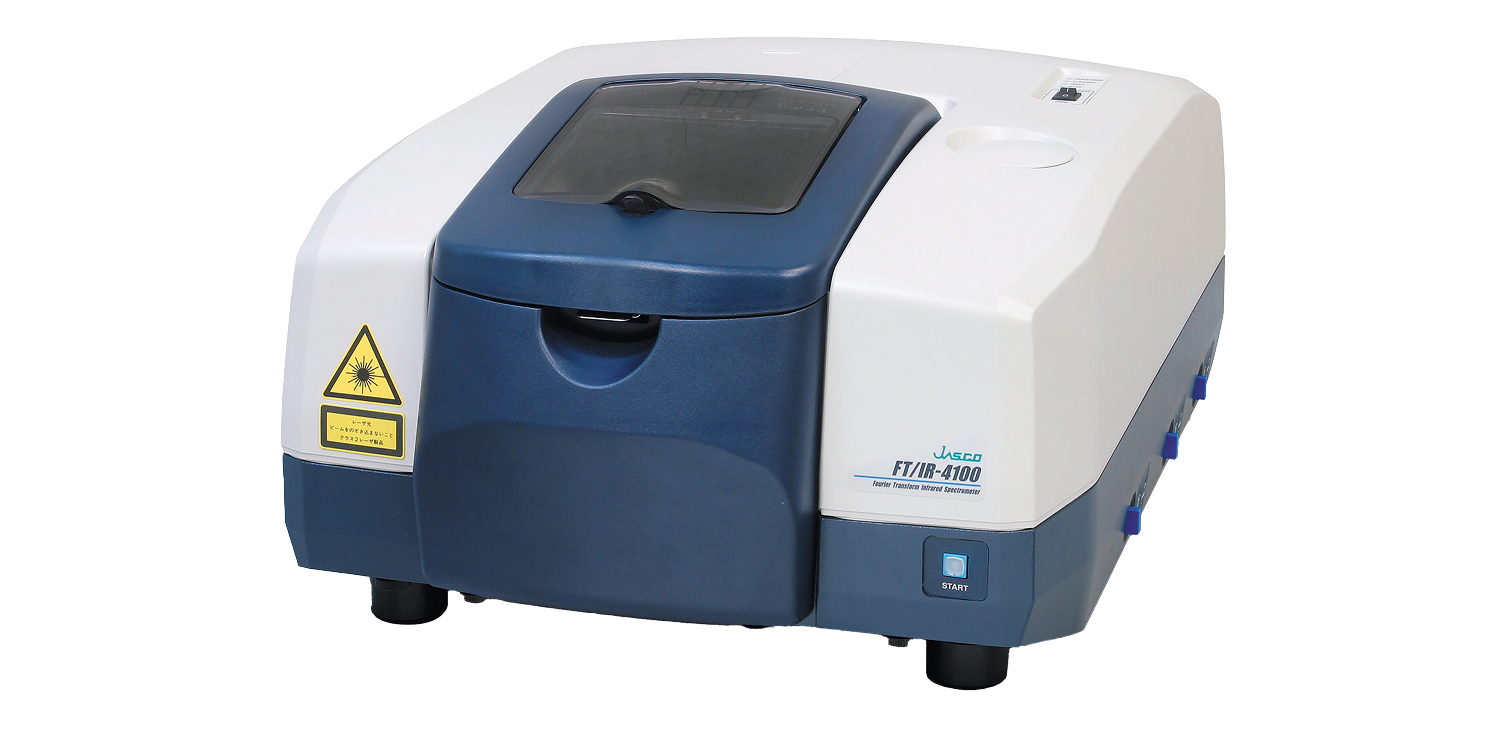
By means of a handheld Raman spectrometer, the identity of incoming raw materials is determined at GfM. We also perform identification testing with Fourier-Transform Infrared Spectroscopy (FT-IR) instruments.
This non-destructive analytical technique allows for a fast identity check without the need for opening the primary packaging of the raw material.
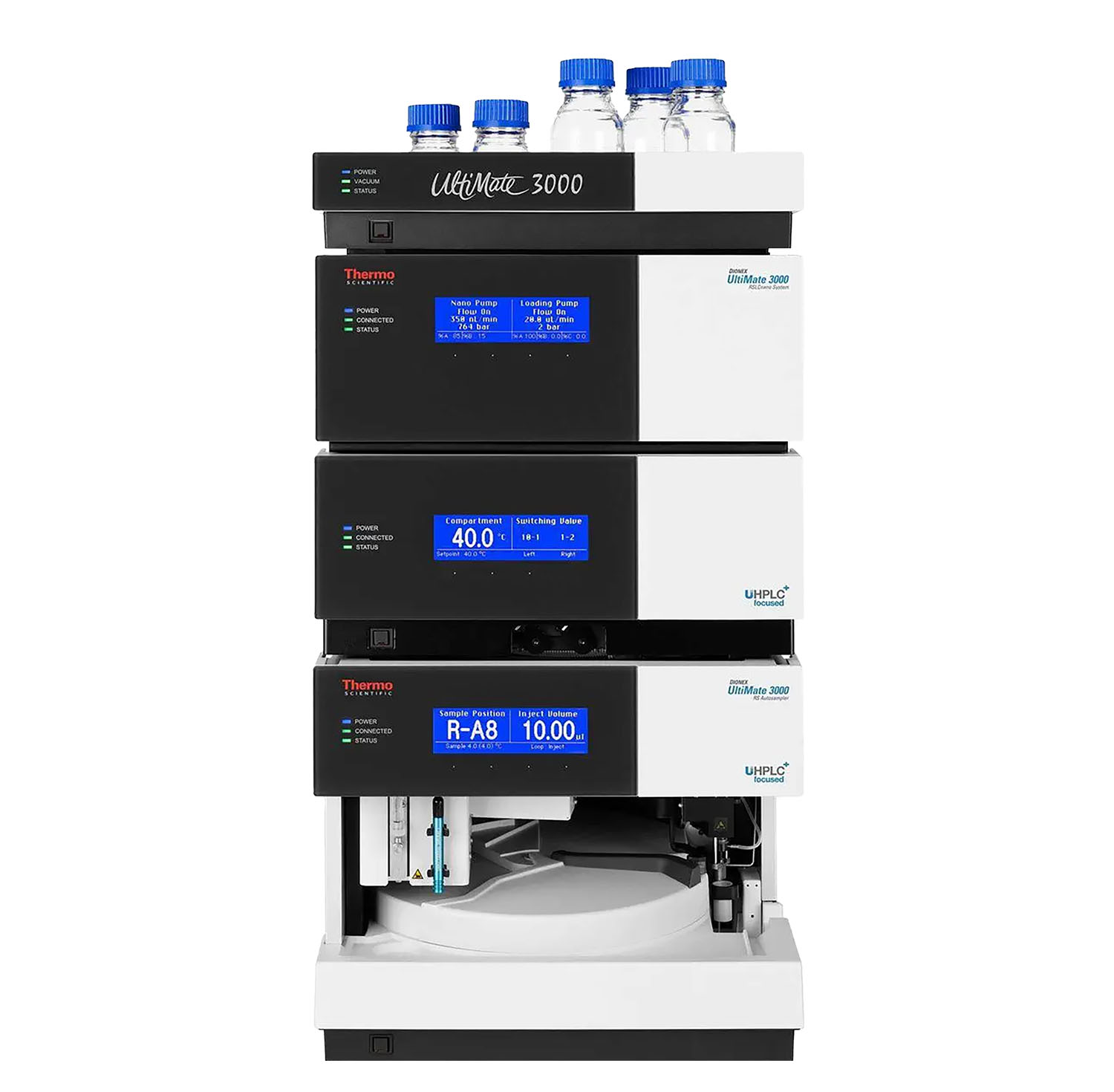
The advanced Thermo Fisher UPLC system is key in our cleaning validation approach. Using UHPLC we confirm that our equipment is adequately cleaned.
In addition, we also offer the Assay and related substance analysis by means of HPLC as part of the release testing of micronized APIs.
Let's make it Finer together.
Let us know what challenges you are trying to solve so we can help.